
Cart
0
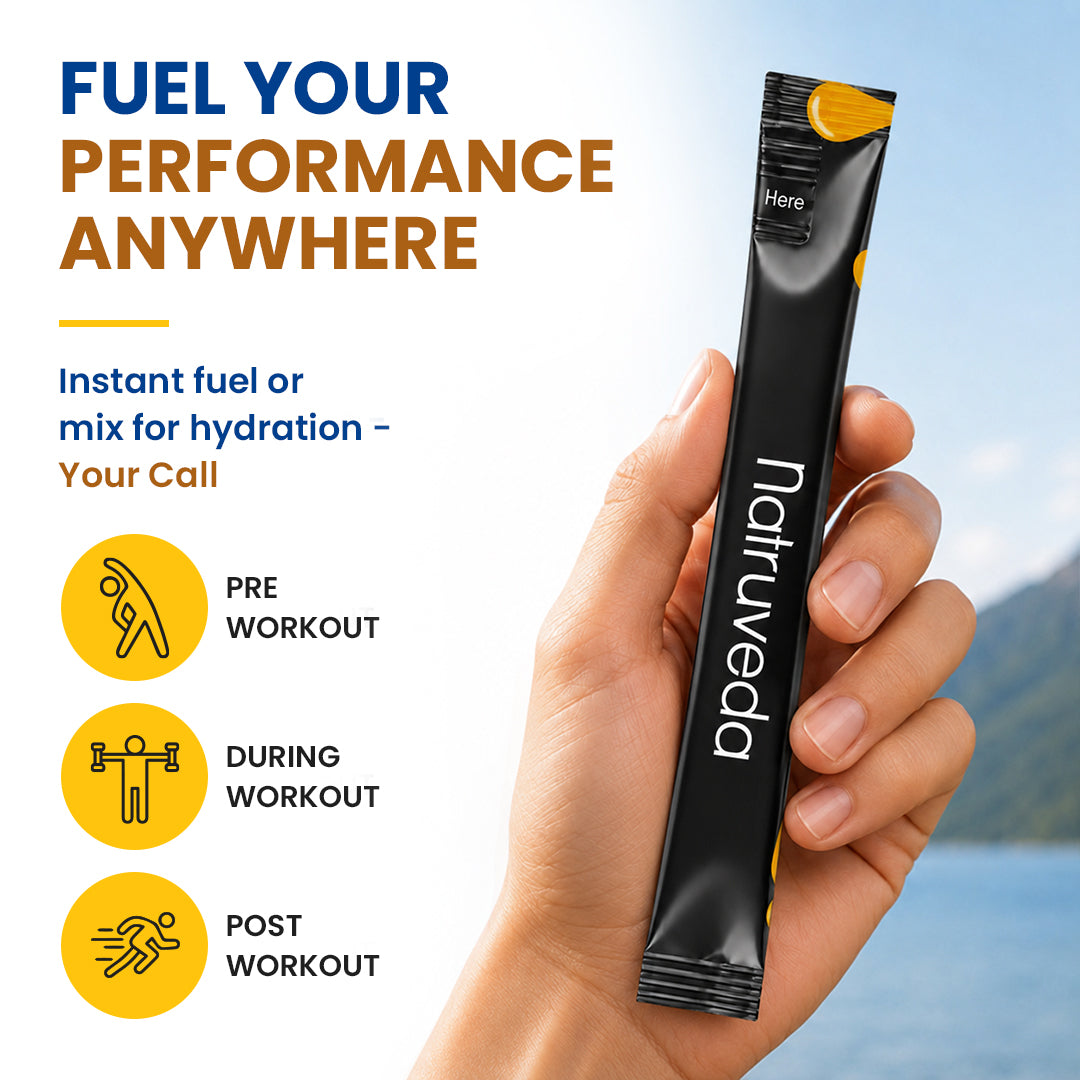
Athletic hydration is more than just drinking water. When exercising, your body loses both water and vital minerals through sweat. Drinking plain water in large quantities during a long run or intense workout dilutes the sodium levels in your blood, leading to a dangerous condition called hyponatremia. To maintain muscle stamina, prevent painful cramps, and support cellular energy, athletes must understand the synergistic role of sodium, potassium, and magnesium in endurance hydration.
The Hydration Myth: Why Water Alone Fails
Your cells rely on a delicate balance of water and electrolytes to function. Electrolytes are charged minerals that conduct electrical impulses throughout your nervous and muscular systems. When you sweat, you lose these minerals—primarily sodium, followed by potassium, magnesium, and calcium.
If you only drink plain water to hydrate during prolonged exercise, you dilute the electrolyte concentration in your extracellular fluids. This dilution prevents water from entering your cells, causing bloating in your stomach while leaving your muscle cells dehydrated. True cellular hydration requires electrolytes to act as mineral keys that unlock water transport channels.
1. Sodium: The Fluid Regulator
Sodium is the primary electrolyte in extracellular fluid. Its main job is to maintain blood volume and osmotic pressure. When sodium levels are optimal, your blood flow remains steady, delivering oxygen and nutrients to working muscles.
Furthermore, sodium works in tandem with glucose via the **SGLT1 transporter** in your gut. Consuming sodium alongside carbohydrates speeds up water absorption, delivering hydration to your bloodstream instantly. Pink Himalayan salt, used in Natruveda's Hydration Honey Gel, is an unrefined source of sodium that contains trace minerals for balanced electrolyte replenishment.


Elevate Your Workouts with Hydration Honey Gel
Fuel your endurance with our clean, natural pre-workout honey gel containing pure Himalayan pink salt and raw honey for clean electrolytes without stomach distress.
Shop Hydration Honey Gel2. Potassium: The Muscle Contraction Catalyst
While sodium operates outside your cells, potassium is the primary electrolyte inside them. Together, they create the **sodium-potassium pump**, an active transport mechanism that maintains the electrical charge across cell membranes.
This electrical gradient is what allows your nerves to transmit signals and your muscles to contract and relax. A deficiency in potassium prevents muscles from relaxing after contraction, leading to muscle fatigue, weakness, and severe leg cramps during runs.
3. Magnesium: The ATP Activator
Magnesium is involved in over 300 biochemical reactions in the human body, but for athletes, its most critical role is in cellular energy production. Magnesium binds to ATP (Adenosine Triphosphate), the body's energy molecule, to create **Mg-ATP**, the only form of energy your muscles can actually use.
Without sufficient magnesium, your cells cannot utilize glucose for energy, causing a rapid decline in physical stamina. Magnesium also acts as a natural muscle relaxant, balancing the calcium that triggers muscle contraction to prevent chronic spasms and soreness.
Summary: The Complete Electrolyte Trio
Hydration Honey Gel combines raw wildflower honey with the complete electrolyte trio from pink Himalayan salt and active minerals:
- Sodium draws water into your blood vessels to maintain blood pressure and fluid absorption.
- Potassium regulates intracellular fluids to ensure smooth muscle contraction.
- Magnesium activates cellular ATP to maintain high athletic stamina and prevent muscle spasms.